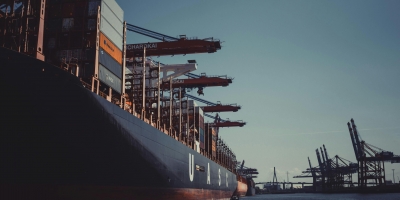
In the dynamic world of manufacturing and engineering, the durability and reliability of iron castings for machinery must be impeccable. Every machine – from precise machine tools and powerful excavators to complex hoisting systems – bases its efficiency on individual yet critical components. These machine iron castings constitute an invisible, fundamental core that must withstand extreme loads, vibrations, and wear.
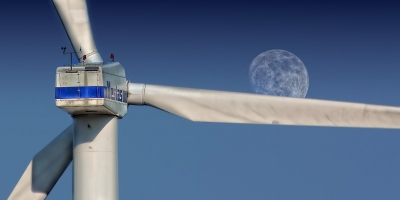
The green energy transition is one of the largest engineering projects of our time. At the heart of this process are gigantic, modern wind turbines capable of generating many megawatts of power. Although public attention focuses on aerodynamic blades and tower heights, the true, hidden foundation of their reliability and longevity lies in key casting components.
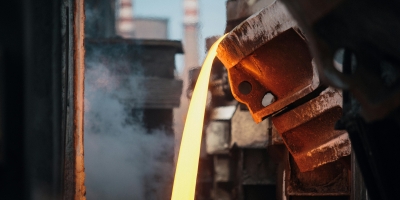
The year 2025 has been marked in the history of Polish industry as a time of intense transformation. For sectors such as machine construction, renewable energy, and the chemical industry, a stable and modern cast iron foundry in Poland remains a key link in the supply chain. What phenomena dominated the market in the past year, and what does this mean for companies seeking the highest quality casting components? We invite you to read our summary.
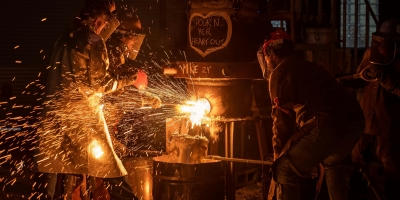
Contemporary foundry technology is a combination of hard physical work and advanced engineering; therefore, a modern cast iron foundry must merge craftsmanship with digitalization. The use of simulation software allows for predicting potential casting defects, such as shrinkage or gas porosity, even before the first mold is poured, which significantly reduces costs and shortens the component creation time.
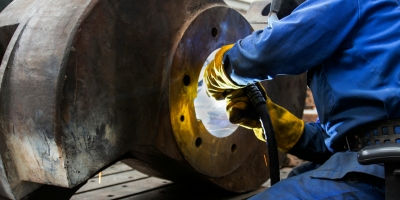
When we think of modern machinery, we often envision advanced electronics and control systems. However, the backbone of every device – from giant excavators to precision CNC machine tools – remains a solid mechanical structure. It is here, on the front line of the struggle against overloads and vibrations, that iron castings play a pivotal role.
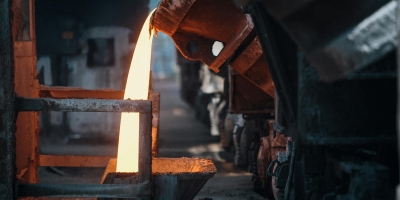
For the past few decades, the global industry was captivated by the vision of low-cost production in the Far East. However, recent years – marked by the pandemic, port congestion, and geopolitical instability – have drastically changed the rules of the game. Today, a low unit price for a casting is no longer enough to remain a market leader. What matters now is supply security, quality, and flexibility. This is precisely why European companies are increasingly turning their gaze toward domestic iron foundries.
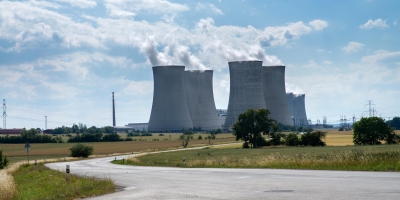
In an era of extensive modernization of transmission networks, the stability of the power sector hinges on components that, while often invisible to the naked eye, are fundamental to the durability of critical infrastructure. In this context, an iron foundry is no longer merely a subcontractor but has become a pivotal strategic partner. The implementation of advanced ductile and modified cast iron alloys in the power industry is a direct response to escalating requirements for fatigue resistance and reliability throughout a product life cycle spanning several decades.
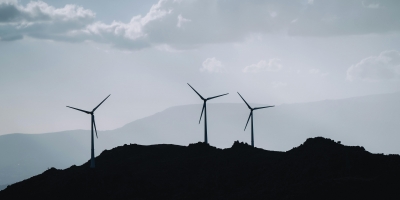
The dynamic development of the renewable energy sector, particularly offshore and onshore wind power, compels manufacturers of cast components to push the boundaries of material durability. Among the most vital elements of any modern wind turbine are large-scale wind turbine castings, which form the structural foundation for power generation systems.
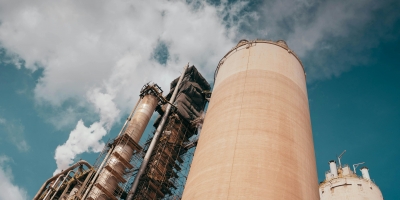
A modern iron foundry is no longer just a production facility, but an advanced technology center where materials engineering meets modern industry. So what should you consider when choosing an iron foundry as a business partner? Below, we present the key aspects that define industry leaders.
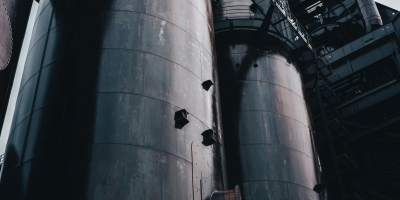
Machine castings constitute the critical structural backbone – they determine the precision of operation, operational stability, and the long-term service life of the equipment. At ELZAMECH, we understand that in the construction of machine tools, presses, or engines, there is no room for material failure; therefore, we provide components designed to withstand the highest static and dynamic loads.
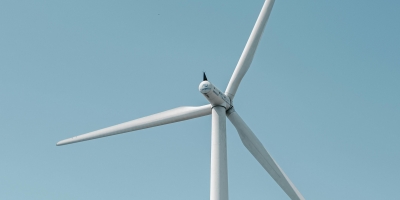
The dynamic development of renewable energy (RES) places demands on metallurgy that go beyond standard industrial norms. Components operating in wind turbine nacelles - such as hubs, main frames, or bearing housings are subjected to extreme bending forces and variable load cycles over approximately 25 years of operation. In this context, wind turbine castings represent a pinnacle of materials engineering, requiring uncompromising manufacturing quality.
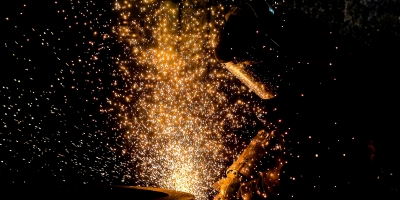
Despite the dynamic development of automation and the growing popularity of lightweight composite materials, the iron foundry remains a key pillar of the modern economy. Although it might seem that traditional manufacturing methods would lose their significance, industrial reality verifies these assumptions - a modern iron foundry is a strategic partner for industries such as machine building, power hydraulics, and energy.
