
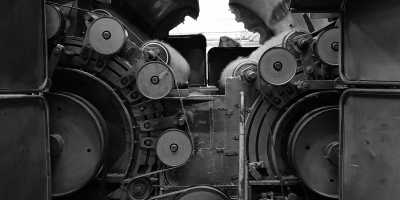
Despite the intensive expansion of modern polymer composites, sinters, or light alloys, one material remains absolutely irreplaceable at the foundation of the most heavily loaded structures – cast iron. For a machine to operate trouble-free while maintaining micron precision for decades, precisely designed and manufactured machine castings are of key importance.
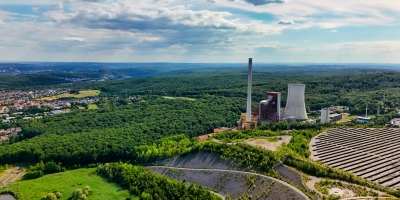
The manufacturing sector in Europe has been undergoing one of the largest transformation processes in modern history in recent years. In this dynamic economic landscape, the iron foundry in Poland plays a key role, becoming the strategic partner of first choice for the heavy, automotive, railway, mining, and machinery industries across the entire continent.
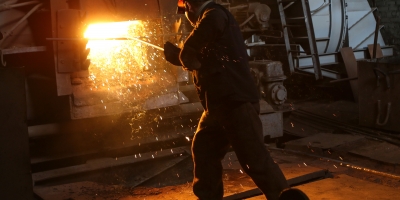
How much does a design error in a cast iron component really cost? Usually far more than simply correcting the documentation. Poorly selected geometry, abrupt wall thickness transitions, excessive machining allowances or complex coremaking can increase patternmaking costs, extend the implementation stage, raise CNC machining costs and increase the risk of rejects.
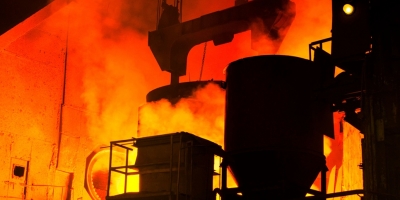
The most expensive casting defect is rarely the one that can be seen immediately after cleaning the casting. A much bigger problem occurs when a material discontinuity is detected only after many hours of CNC machining, during machine assembly or while the finished equipment is already in operation.
